
Coming back to gamedev after a break

Recently I took 6 months off from game development. It was a lot of good stuff: vacations, 3D printing projects for home improvement, playing Factorio 2.0 Space Age. Factorio is now absolutely my favorite game of all time and I had quite a few dreams featuring belts and inserters.
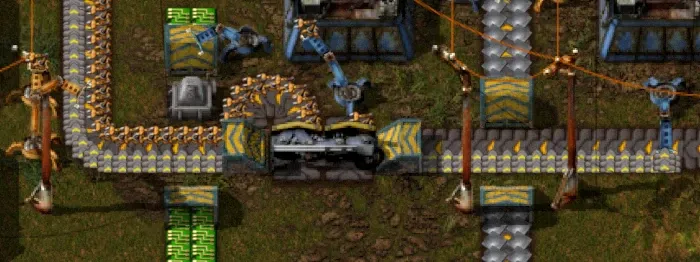
But at some point in December, I snapped back from it, updated Unity and Rider and got back to coding.
Over this time, I had several new game ideas and a few improvements to old ideas. I thought I’d naturally start something new and abandon the last game I worked on, Fracturix. But it would’ve been a shame, as I put a decent amount of work into it and I felt it had only started to unfold from a tech demo into a game prototype. Coding is my strength, and while I’m proud of some proc gen stuff in the game, the rest of it was almost too easy. It’s a brick breaker game after all, not rocket science. Anyway, there was a large sunk-cost fallacy situation, so I decided to try to fix a few bugs and at least push out a demo so it wouldn’t all be in vain.

How big was my surprise when I realized that I could totally pick up from where I was! I fixed bugs, added a few missing features and juice here and there, and it was not a drag at all. I suppose good coding practices really help in situations like this. Here are the things I believe helped me write code that can be picked up seamlessly after a half-year break:
- Make code speak for itself. It shouldn’t need comments to understand what’s going on. Everything needs to be broken into self-sufficient pieces: modules, functions that have one purpose and a name that clearly explains it. If a function grows too big, don’t break it up randomly just because it is, refactor it in a way that produces nice reusable modules with obvious responsibilities.
- If something weird has to happen, add a comment explaining what is going on and why. For example, for some reason Unity wants me to initialize procedural materials no earlier than the second frame. I didn’t waste too much time investigating why that is, but added a comment explaining it.
- Put some thought into software architecture. It’s nearly always worth spending a few minutes thinking and doodling before writing code, rather than spending hours later refactoring bad smelly spaghetti.
- Don’t over-engineer. To balance the previous point, it’s important to stay focused on the goal rather than architecture. It’s better to come back later and refactor a thing (if needed), rather than create a universal omnipotent tool that is only used once and is a pain in the arse to maintain.
- Use good libraries. For example, I really love Primetween. It’s very smart, fast and well-thought-out.
- Maintain a good todo list. I got all my ideas, plans and bugs in one hierarchical list and I use it as an external memory for myself. I always keep it sorted by priority. Every time I come back to the project, no matter if a day or six months have passed, I 100% know what is the next thing I need to work on. Use your favorite tool here. My favorite is Workflowy. It’s an infinite hierarchical bullet point list, where you can zoom in to any level or fold out details that’s irrelevant today. It really helps me to keep all ideas and notes in a way that’s not cluttered but always available to any depth I need.